Digital Twin: the Fashion & Beauty revolution for a top look


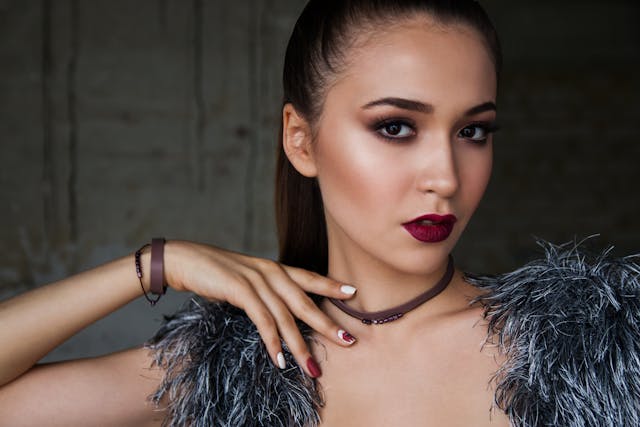
The fashion and beauty digital twin is not only an entertainment innovation for technology enthusiasts. It is a powerful tool that is already changing brand strategies, consumer behaviors, and even some of the rules of the game in eCommerce.
If you have already heard of virtual try-ons or augmented reality makeup, then you already have one foot in this universe. But what exactly are we talking about? What are the benefits for you, for brands, and for society? And above all, why is this a subject that deserves to be taken seriously today? Hold on tight, we’re diving together into the world of the digital twin, fashion, beauty, and style, between innovation, business, and ethical challenges.
What is a Digital Twin?
Before understanding why it is becoming essential in fashion and beauty, let’s start by clearly defining this concept. The digital twin is not just a simple image of you. It is an ultra-realistic virtual version, created using advanced technologies such as 3D, artificial intelligence (AI), and augmented reality (AR). To put it simply: it’s you… but digital.
Definition & origins of the concept
A digital twin is an exact copy of a person, generated from biometric data (height, body shape, face, expressions). Where a classic avatar may look like a caricature, a somewhat gamified avatar, the digital twin seeks to reproduce the human being with realism.
To achieve this, several technological components come into play:
- 3D scanning, which captures the exact dimensions of the body and face.
- AI algorithms, capable of simulating natural movements, facial expressions, and even reactions to light.
- Augmented reality, which allows this twin to be projected into an interactive environment, such as a virtual fitting room.
Historically, the concept of the digital twin was born in industry (aeronautics, healthcare, engineering). But in fashion and beauty, it has taken a more personal turn: instead of modeling a machine, we model the human body.
The result is exciting uses:
- testing a look
- buying an outfit online with full confidence
- visualizing makeup before heading to the checkout.
What changes everything is precision. We are not talking about Snapchat or Instagram filters, but rather a tool close to physical reality, designed to guide concrete decisions.

The Digital Twin applied to Fashion & Beauty
In the world of style and well-being, the fashion and beauty digital twin has already found its place. Why? Because it addresses very concrete issues faced by both customers and brands.
For consumers
- No more bad surprises after an online order (size, fit, color).
- Possibility to compare several looks without moving around.
- A fun and immersive experience that makes you want to stay longer on a platform.
For brands
- Reduction of product returns, which today represent nearly 30% of eCommerce sales in ready-to-wear (Statista, 2022).
- Opportunity to create added marketing value (virtual try-ons, digital fashion shows).
- Better customer knowledge thanks to the data generated by the use of digital twins.
A concrete example? Gucci has already experimented with virtual fitting rooms where customers can project outfits onto their digital twin. For its part, L’Oréal acquired Modiface, a startup specialized in augmented beauty, to allow users to test lipsticks and eyeshadows directly on their twin.
In summary: the digital twin is becoming a new interactive mirror that makes it possible to anticipate, test, and personalize one’s own look.
A technology in full democratization
Just 5 years ago, creating a digital twin required complex and extremely expensive equipment.
Today, a latest-generation smartphone could be enough. The integrated sensors (3D camera, LiDAR on some iPhones) and AI algorithms make creating a realistic avatar accessible to the general public.
A few examples:
- Fitness and sports apps that generate a 3D avatar to track your physical progress.
- Digital fashion platforms that let you try on an outfit in augmented reality.
- Social networks where influencers are already creating digital twins to engage their communities.
And tomorrow?
According to McKinsey (2023), the global digital fashion market, including digital twins, could exceed $50 billion by 2030. We are therefore only at the beginning, and there is still time to get involved in the subject.
At silkke, we support fashion and beauty brands by providing not only expertise on the topic, but also access to the full system required (capsule + Digital Twin generation engine).
The virtual look by silkke
The legal & ethical challenges
However, such a powerful tool also raises questions:
Who owns the generated image?
Is it you, the brand, or the platform?
According to the GDPR (General Data Protection Regulation), the biometric data used to create a digital twin is considered sensitive data. It therefore requires secure processing, explicit consent, and regulated use.
This means that if a brand uses a digital twin without clearly defined authorization, it can be sanctioned. Fines can reach up to 4% of the company’s annual global turnover.
Another challenge:
The risk of identity theft or misuse. In a society where deepfakes are multiplying, it becomes essential to implement safeguards to prevent the digital twin from being misused.
This is why turning to specialized providers like silkke is often recommended. We know how to secure, anonymize, and use this data in compliance with the law.

Why is the Digital Twin revolutionizing Fashion?
Fashion is not only a matter of clothing, it is a cultural, identity-based, and emotional experience.
The digital twin adds a completely new dimension, where each individual can explore, test, and reinvent their style without constraints.
The benefits for consumers
For customers, the digital twin is a true “immersive mirror.” It allows them to try on, compare, and personalize their looks without the limits of the physical world.
Less uncertainty when shopping online
The main barrier in fashion eCommerce remains size and fit. According to Deloitte (2022), 62% of online shoppers have already returned an item because it did not meet their expectations. Thanks to the digital twin, you can accurately visualize how a cut or a fabric will fall on your real body shape.
A fun & engaging experience
Shopping becomes a kind of game. Consumers spend more time testing different combinations, creating unique looks, or sharing their digital twin on social media. It is an immersive experience that naturally builds loyalty.
Personalization at scale
Each twin is unique. This means that recommendations become ultra-precise: adjusted sizes, colors adapted to your complexion, style suggestions consistent with your personality.
Key takeaway: the digital twin reduces frustrations, increases confidence, and transforms shopping into a moment of interactive pleasure.
Benefits for brands
While consumers find direct value in it, brands are discovering a truly powerful strategic lever.
Reduction of costs related to returns
eCommerce returns represent a financial black hole. According to Statista (2022), nearly 30% of online fashion purchases are sent back.
With the digital twin, customers order items that are better suited, which drastically reduces this rate.
Result: less logistics, fewer losses, and a better ecological impact.
A better conversion rate
According to Vogue Business (2023), platforms that integrate digital twins see an increase in conversion rates ranging from 20 to 40%. In other words, customers are more likely to make a purchase when they are confident that the product will suit them.
A marketing differentiation tool
Offering a virtual fitting room is becoming a sales argument in its own right. Brands that adopt these technologies early position themselves as innovative, modern, and attentive to their customers’ needs.
A goldmine of customer data
Each interaction with a digital twin generates valuable data:
- preferred styles
- most requested sizes
- favored colors
These insights make it possible to better anticipate trends and adapt collections.
The digital twin is both a tool for improving the customer experience and a profitability accelerator for brands.
A step toward digital & immersive Fashion weeks
The world of haute couture is not escaping this transformation. Traditional fashion weeks, expensive and not very accessible, are evolving toward hybrid or fully digital formats.
An example is Balenciaga, which has already presented a collection in the form of an immersive video show, where viewers could see the models within a virtual universe.
Or Dolce & Gabbana, which launched a collection of NFTs (“Collezione Genesi”) that are not worn in the street but in the metaverse.
These initiatives show that the digital twin is not limited to mass eCommerce. It is also making its mark in luxury and haute couture, where it is becoming a playground for creative and technological experimentation.
Digital fashion weeks are accessible to a global audience, without geographical limits or travel-related costs.
For brands, it is an opportunity to reach millions of viewers live.
Key takeaway: the digital twin is not only a shopping aid, it is also a new medium of broadcasting and inspiration.
A cultural & social evolution
The digital twin is also disrupting our relationship with image and identity.
In fashion, it is no longer just about choosing an outfit, but about creating a digital version of oneself.
Younger generations (Gen Z and Alpha) see it as a natural extension of their digital presence. According to PwC (2023), 41% of 18–34-year-olds say they are ready to use a digital twin in their daily lives.
Virtual influencers (such as Lil Miquela, an avatar followed by millions on Instagram) show that this trend is already underway. Brands collaborate with these digital figures to launch innovative campaigns.
An extension of social identity:
Your digital twin can become your representative in a virtual universe, whether to attend a concert, participate in a fashion event, or interact with others.
The digital twin goes beyond a simple practical function. It becomes an identity and cultural tool, halfway between reality and imagination.
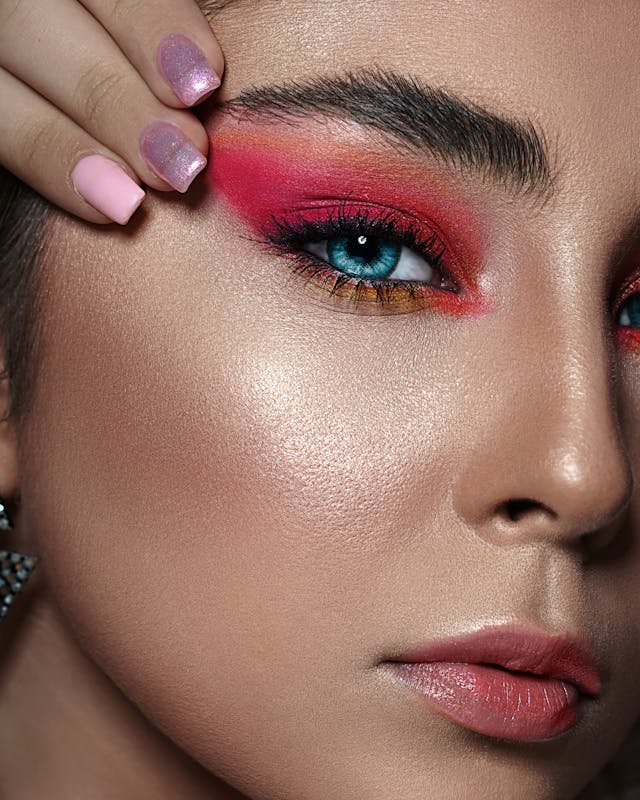
Beauty & Skincare: when digital enhances the real
The beauty sector may be the one that best illustrates the power of the digital twin.
Unlike fashion, where the focus is mainly on clothing and accessories, here it touches on something intimate: the face, the skin, self-expression. And it is precisely in this area that virtual makeup and personalized skincare applications are booming.
Virtual Makeup: try before you buy
Being able to try on ten lipsticks in less than a minute, without ever dirtying a brush. That is exactly what virtual makeup based on the digital twin offers.
L’Oréal & Sephora
These beauty giants have invested massively in augmented reality. Thanks to the Modiface app (owned by L’Oréal), you can visualize in real time how a product applies to your lips, eyes, or complexion.
Impact on sales
According to Vogue Business (2023), users spend on average 2.7 times more time on a beauty app that integrates a digital twin. Stronger engagement, but above all, a significantly higher conversion rate.
Customer advantage
More confidence, fewer unnecessary purchases. You know in advance if the shade suits you, which reduces post-purchase frustration.
Virtual makeup democratizes product testing, makes it fun, and reassures the consumer at the moment of making a payment.
Personalized skincare through the Digital Twin
The digital twin is not only an aesthetic tool, it is also a health and wellness ally.
Skin analysis
Some applications scan your face to detect skin issues (wrinkles, dryness, redness). The digital twin then becomes a kind of “dermatological twin,” capable of showing you how your skin evolves with or without treatments.
Tailor-made beauty routine
Brands use this data to recommend products perfectly suited to your profile: specific moisturizing cream, targeted anti-aging serum, foundation matching your exact complexion.
Before-and-after simulation
You can visualize the potential effects of a treatment even before buying it. This is a revolution in purchasing decisions, as it combines science (data analysis) and emotion (self-projection).
Neutrogena has launched a tool called “Skin 360,” which analyzes the skin and suggests a personalized routine.
Influencers & the New Digital Identity
The digital twin is also transforming influencer marketing.
Virtual influencers
Avatars like Lil Miquela or Shudu Gram have millions of followers and collaborate with major fashion and beauty brands. They do not exist in the real world, but they sell dreams… and above all, products.
Why does it work?
These digital twins embody a perfect, controlled aesthetic available 24/7. They eliminate the risk of slip-ups or controversies often associated with human influencers.
Consumers and their twin
More and more users are creating their own avatar to test looks, share photos on social media, and build a parallel digital identity. This opens the way to a new form of social commerce, where the digital twin becomes a showcase for style and beauty.
Virtual influencers and personal digital twins mark a new era: that of an augmented identity, blending reality and fiction.
Conclusion
The fashion and beauty digital twin is no longer a futuristic idea — it is already here, in our phones, our apps, and even our shopping habits. It is transforming the way we choose our clothes, our makeup, and our skincare.
For consumers, it brings confidence, personalization, and enjoyment.
For brands, it represents a lever for growth, differentiation, and innovation.
But this revolution comes with major challenges: data protection, risks of identity theft, and the need for technical and legal expertise. Without qualified support, the magic can quickly turn into a problem.
The digital twin is not just a gadget. It is a new era for fashion and beauty — an opportunity to seize right now with the right partner by your side.
FAQ
What is the difference between an avatar and a digital twin?
An avatar is a stylized or fictional representation, often used in video games. The digital twin is a realistic and precise copy of your body and face, designed for concrete uses (fashion, health, beauty).
Is the digital twin secure?
Yes, provided that the platform complies with GDPR and secures biometric data. Without this, there is a risk of identity theft or sensitive data leaks.
Can you use your digital twin in the metaverse?
Absolutely. Several platforms, such as Decentraland or Roblox, already allow you to import your digital twin to take part in virtual events or buy digital outfits.
Is it reserved for major luxury brands?
No. While the pioneers are often giants (Gucci, L’Oréal), accessible solutions for SMEs are being developed, particularly through simple-to-use mobile apps.
Why turn to a specialized provider?
The creation and use of a digital twin involve technical, marketing, and legal challenges. A qualified provider ensures compliance, quality, and the relevance of the strategy.

