Avatars in Gaming: How Roblox & Fortnite Are Redefining Digital Identity


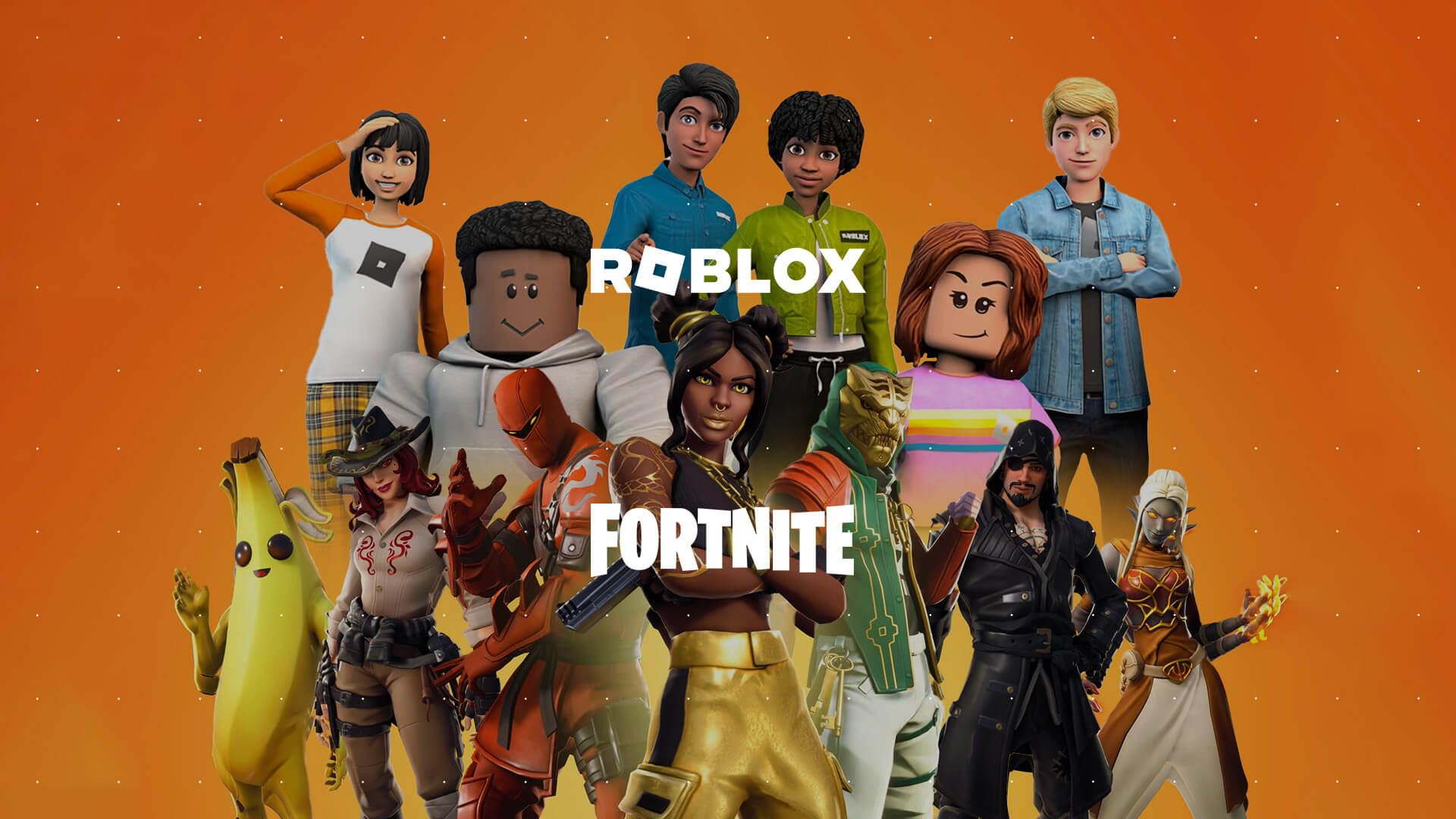
Roblox: The Avatar Customization Revolution
Roblox reports that the average user changes their avatar eight times a day, driven by the platform’s vast library of customizable items, from clothing to accessories. This level of personalization is fueled by user-generated content (UGC), where creators design and sell virtual fashion, generating a thriving $100 billion virtual goods economy. Roblox’s avatars are also used for social interaction, enabling players to attend virtual concerts, parties, and events as their digital selves (SuperAwesome, 2024; Dad Blog, 2025).
“We publish one to three new items a day, that consistency, and a structured process driven by trend analysis, is what allowed us to grow 1,500 percent over the past year.”
Phillip Batura, CEO of Topcat, a producer of UGC on Roblox.
Fortnite: Avatars as Social and Cultural Symbols
Fortnite’s avatars, or “skins,” have transcended gaming to become cultural icons. Collaborations with brands like Balenciaga and Marvel have turned in-game avatars into digital status symbols, with players spending real money to acquire exclusive designs. Fortnite’s Creative Mode also allows users to build custom worlds and avatars, fostering a community where digital identity is as important as real-world fashion (Forbes, 2023; VSQuad, 2025).
The Broader Impact of Gaming Avatars
Gaming avatars are blurring the lines between virtual and real-world identity, influencing how people express themselves online. As platforms like Roblox and Fortnite expand into the metaverse, avatars will play an even greater role in social interaction, commerce, and digital storytelling.
"Players who were able to create a Mii that was approximately their ideal body shape generally felt more connected to that avatar and also felt more capable of changing their virtual self’s behavior"
Seung-A ‘Annie’ Jin, Assistant Professor at Emerson College’s Marketing Communication Department
Enter silkke: The Future of Hyper-Realistic Gaming Avatars
As avatar technology continues to evolve in platforms like Roblox and Fortnite, the next frontier lies in bringing avatars closer to the human self than ever before. This is where silkke, a french avatar creation platform, offers a groundbreaking leap. Unlike conventional game avatars, which rely on stylized graphics or preset customization options, silkke creates fully animated, photorealistic 3D avatars based on real people captured in just one minute using a volumetric scanning booth.
What sets Ssilkke apart is the balance it strikes between personal identity and digital immersion. The avatars are not only visually identical to their real-life counterparts but also capable of nuanced facial expressions, gestures, and speech animations. In a gaming context, this unlocks entirely new possibilities for how players engage with their digital selvesand with each other.
From Game Character to Digital Self
Imagine launching into a multiplayer game, and instead of choosing from a collection of generic characters or skins, you enter the world as your true digital human, animated with lifelike precision. Whether you're racing through a sci-fi city, exploring medieval realms, or attending a virtual concert, silkke’s avatars could offer players a heightened sense of presence and ownership. It's no longer just "your character", it's you.
This level of fidelity also raises the bar for emotional engagement. Because silkke avatars can reflect micro-expressions and real human movement, they can enhance social storytelling and immersive roleplay in a way that cartoon-style avatars simply cannot. In games with heavy narrative elements or social interactions, think RPGs, metaverse platforms, or story-driven MMOs, this realism adds a deeper emotional layer to digital experiences.
Enhancing Creator and User Economy
Just as user-generated content has fueled the growth of virtual fashion in Roblox and the marketplace for exclusive skins in Fortnite, silkke avatars could drive a new creator economy around hyper-personalized digital identities. Players could scan themselves once and then modify clothing, accessories, and animation styles, transforming their photorealistic base avatar into unique characters tailored for different game genres or moods.
In addition, developers could monetize avatar-based interactions and customization packs at a premium, especially in games focused on lifestyle, fashion, or social storytelling. For creators, silkke’s technology provides a new layer of avatar design that blends fashion, facial performance, and personal branding, making avatars not just characters, but digital influencers in their own right.
A New Era for Streaming and Digital Presence
For streamers and content creators, silkke avatars open up even more exciting possibilities. A player could appear on screen not through a webcam, but as their animated digital self, rendered in real-time within the game or on a virtual stage. This offers a bridge between anonymity and presence, allowing creators to maintain privacy while still building authentic engagement with their audiences.
As gaming worlds become more social and interconnected, the demand for avatars that feel “real” will only grow. silkke’s avatars could become a new standard for gamers who want to blend identity, performance, and creativity in their digital interactions.
Looking Ahead: Identity, Expression, and Immersion
The rise of avatar culture in gaming is more than a trend, it’s a shift in how people relate to themselves and others in digital spaces. Platforms like Roblox and Fortnite have laid the groundwork by empowering users to shape their virtual identities with style and creativity. silkke now brings a powerful new layer to that evolution: realism, emotion, and human likeness.
Whether used for social gaming, esports, virtual events, or cinematic storytelling, silkke’s digital humans represent a future where avatars are not just part of the game, they are a reflection of who we are, both online and off. As gaming continues to blend with the metaverse, live performance, and user-generated content, technologies like silkke will be essential in defining the next generation of digital identity.