Bring real-world spaces into immersive digital environments.
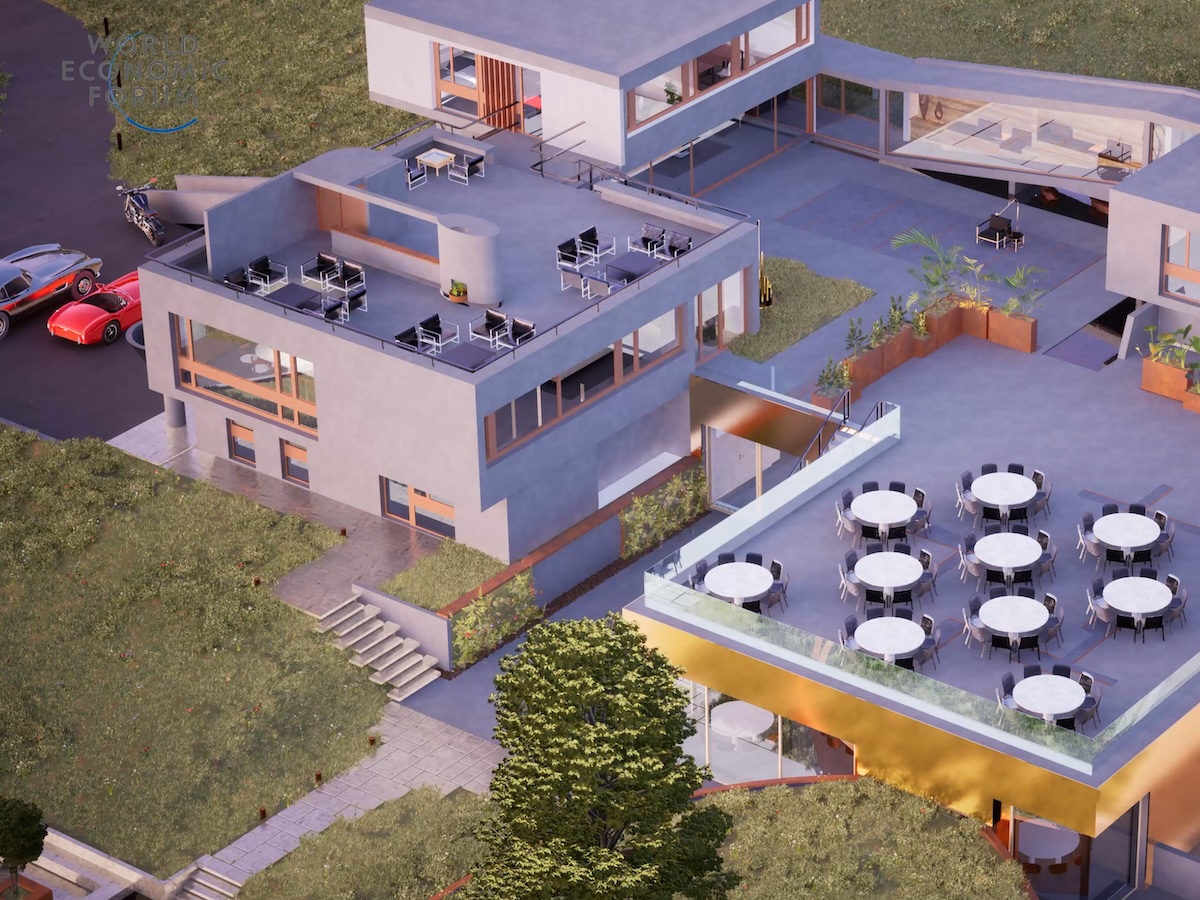
Virtual Real Estate enables organizations to transform buildings and infrastructures into immersive digital spaces where visitors explore environments through their Real Digital Human.
Hotels, stadiums, hospitals, shopping malls, factories and entire districts can become interactive digital destinations where people explore spaces, interact with services and experience places before visiting them physically.
This approach reduces the boundary between physical and digital environments and creates new ways to design, operate and experience real-world spaces.
solution already trusted by


Physical spaces remain difficult to experience before visiting them.
Of a building’s lifecycle costs occur after construction, highlighting the need for better operational simulation and infrastructure management.
Most digital twins replicate buildings but fail to reproduce real human presence and interaction inside those environments.
Global real estate represents one of the world’s largest asset classes, yet most buildings remain difficult to explore or experience digitally.
A new digital layer for real-world spaces
Virtual Real Estate connects architectural data, immersive environments and Real Digital Humans to create interactive digital spaces.
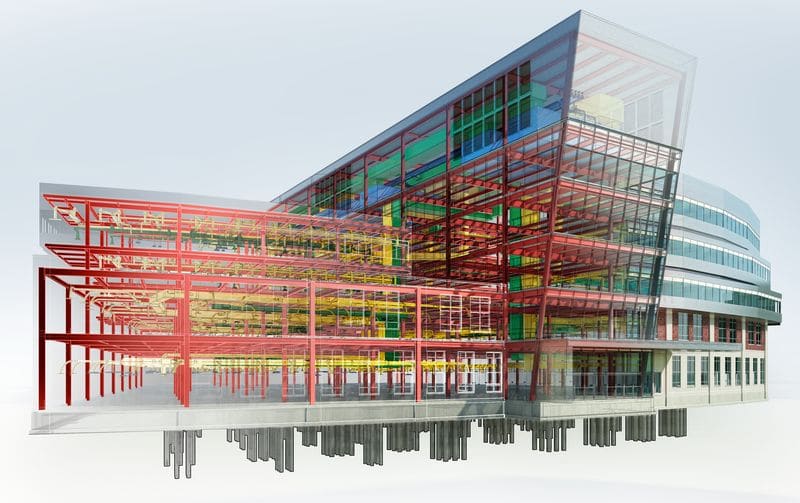
Buildings and infrastructures are reconstructed from architectural plans and BIM data to generate high-fidelity virtual environments accessible from any device.
Users enter these environments through their Real Digital Human, enabling realistic exploration, interaction, simulation and collaboration.
This approach reduces the boundary between physical and digital spaces, transforming real-world assets into living digital ecosystems where people can explore, test services and experience places before visiting them physically.
Immersive spatial exploration
Visitors can explore buildings and infrastructures remotely through their Digital Human.
Complex environments such as hotels, hospitals, stadiums, shopping malls or industrial facilities become easier to understand and navigate before physical visits.
Realistic spatial perception improves visitor preparation and decision making.
Better visitor understanding, faster decision-making and stronger engagement with physical spaces
Operational simulation
Organizations can simulate operations, visitor flows and services inside immersive digital environments.
This enables teams to test scenarios, improve space usage and optimize infrastructure management before real-world implementation.
Architects, operators and technical teams can also review projects remotely, validate layouts and reduce coordination issues across complex spaces.
Reduced operational risk, improved infrastructure planning and more efficient space management before deployment
New digital services
Virtual environments allow organizations to deploy new digital services including commerce, events, training and remote collaboration.
Physical spaces become digital platforms where services can operate continuously, from immersive visits and virtual bookings to branded experiences and digital assistance.
New revenue opportunities, continuous digital engagement and richer experiences around physical spaces
Better infrastructure design
Behavioral insights collected inside immersive environments help architects, developers and operators improve spatial design and operational efficiency.
Virtual exploration and simulation make it easier to validate layouts, anticipate friction points and improve long-term building performance.
Data-driven architectural decisions, optimized spatial design and improved long-term infrastructure performance
Hospitality & tourism
Hotels and resorts can create immersive digital environments where guests explore rooms, services and facilities before booking.
Visitors navigate hotel spaces through their Digital Human, interact with staff assistants, attend virtual events or discover premium services before arrival.
Hotels operate for decades, yet guests often discover the property only after arrival.
These environments extend the hospitality experience beyond the physical stay and strengthen customer engagement across the entire travel journey.

Complex infrastructures
Large infrastructures such as hospitals, airports, stadiums or industrial facilities can be experienced through immersive digital environments.
Visitors, employees and partners can explore complex spaces, simulate operations and better understand environments before entering them physically.
Virtual exploration prepares visitors and improves real-world navigation of complex infrastructures.
These virtual environments also enable training, operational simulations and improved infrastructure management.
Real estate development
Developers can showcase future projects before construction through immersive digital environments built from architectural BIM data.
Investors, partners and future buyers can explore buildings, understand spatial layouts and validate design choices long before completion.
This improves project communication, reduces misunderstandings and accelerates decision-making throughout the development process.

Core technologies & services included
From architectural plans to immersive environments
Buildings and infrastructures are reconstructed from architectural plans and BIM data to generate high-fidelity virtual environments.
These digital environments preserve spatial accuracy and architectural intent while making complex infrastructures accessible through immersive digital exploration.
Key capabilities
- BIM and CAD data integration
- high-fidelity spatial reconstruction
- cross-device immersive environments
- scalable digital twin environments
Architectural data becomes immersive environments accessible to everyone.
Human-scale spatial exploration
Visitors explore virtual environments through their Real Digital Human, enabling natural navigation and spatial understanding.
People can move through spaces, interact with services and experience buildings together inside immersive digital environments.
Key capabilities
- Digital Human navigation
- multi-user immersive environments
- service interaction layers
- immersive spatial exploration
Spaces become living environments where people explore and interact together.
Understanding how people interact with spaces
Interactions inside immersive environments generate behavioral insights about how people explore and use spaces.
These insights help architects, operators and developers optimize layouts, services and infrastructure management.
Key capabilities
- spatial interaction analytics
- visitor flow simulation
- behavioral insights
- infrastructure optimization
Data from immersive exploration improves infrastructure design and operations.
Virtual Real Estate environments are created in close collaboration with architects and engineering teams
silkke works directly from architectural plans, BIM models and 3D design assets to reconstruct buildings and spaces inside immersive digital environments.
This approach ensures that the virtual environments remain faithful to the architectural vision while enabling interactive exploration through Real Digital Humans.
Architects can extend their work beyond construction by allowing clients, investors and visitors to experience spaces before they exist physically.
Virtual environments can also support design validation, spatial testing and operational simulations during the development of complex infrastructures.
Key capabilities
- integration of BIM and architectural models
- accurate spatial reconstruction of buildings
- immersive exploration of projects before construction
- collaborative design and simulation environments
Projects become easier to review, validate and align before construction.
Bringing real human presence into digital twins
silkke introduces Real Digital Humans inside immersive environments, allowing people to explore spaces together rather than only viewing static digital models.
This transforms traditional digital twins into interactive environments where human presence, movement and interaction become central to spatial experiences.
Key capabilities
- Real Digital Human integration
- multi-user spatial presence
- social interaction environments
- immersive human-centric digital twins
Digital twins evolve from buildings to places inhabited by people.

