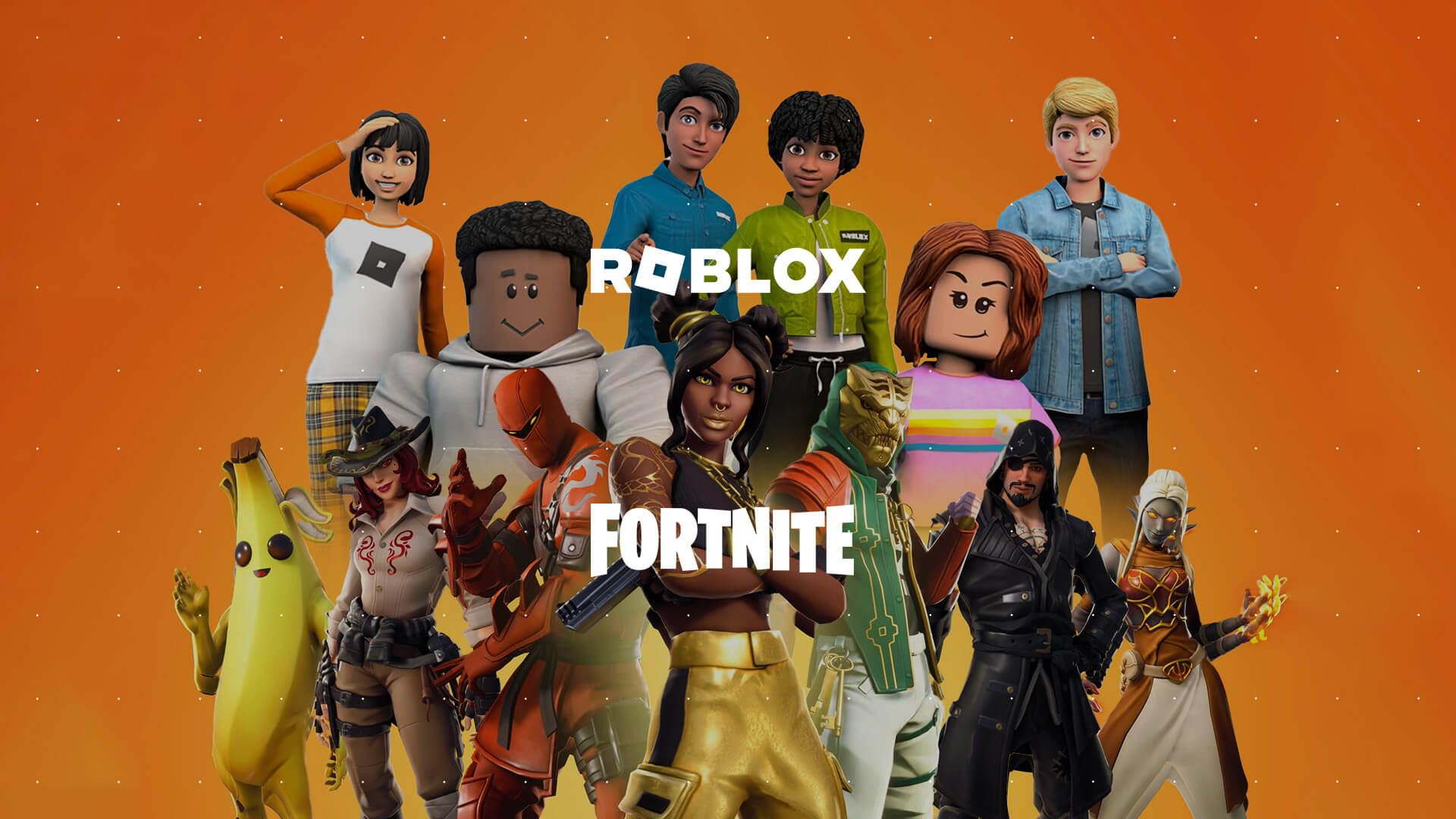
Gaming is becoming the most advanced simulation of the real world.
Game engines now simulate cities, stadiums and entire ecosystems in real time. But despite these advances, these worlds are still populated by fictional avatars.
silkke introduces a new paradigm: Real Digital Humans generated from real people, ready to enter interactive worlds, games and cinematic experiences.
Gaming becomes a space where the real world population can exist digitally.

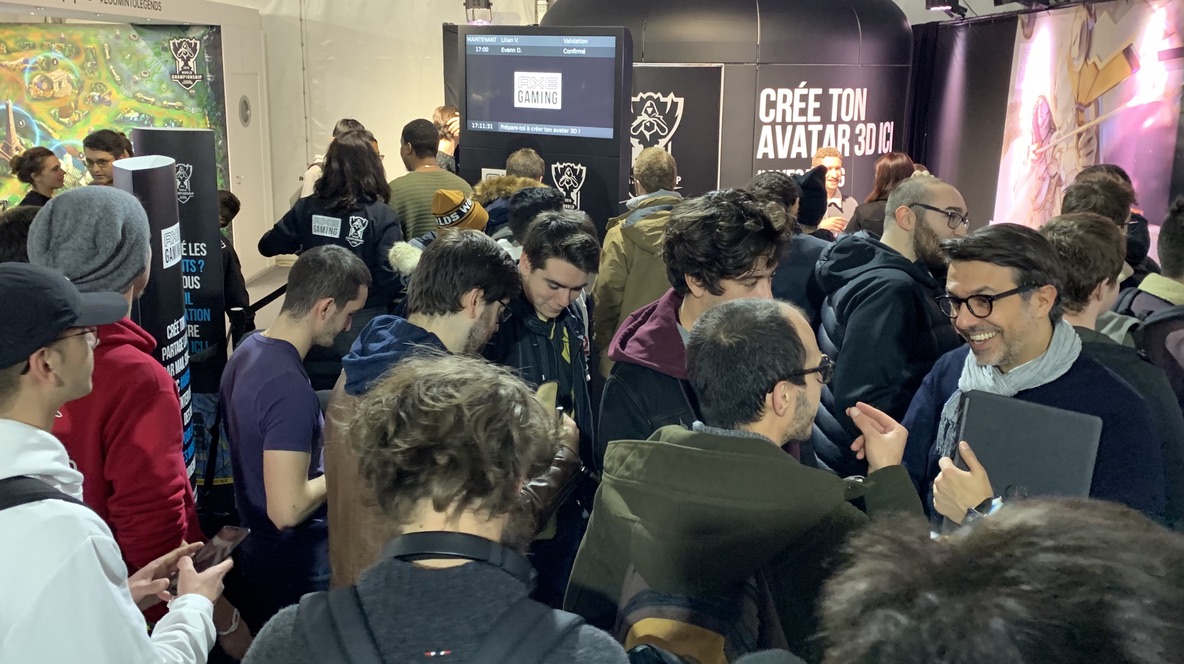
+20.000 real silkke Avatars already produced by these brands
Gaming technology is becoming the foundation of digital interaction
Gaming has become the most advanced infrastructure for immersive digital worlds.
Real-time engines now simulate cities, environments and social spaces with cinematic realism, while billions of people interact daily inside these virtual worlds.
What started as entertainment is evolving into a new digital layer for gaming, cinema and immersive platforms.
Yet one essential element is still missing: real human presence at scale.
The next evolution of immersive worlds will come from verified Real Digital Humans generated from the population.
Gaming engines are powering entire industries
Real-time 3D engines such as Unreal Engine and Unity are no longer used only for video games.
They now power a wide range of applications including film production, virtual production studios, architecture visualization, automotive simulation and digital twins.
Gaming technology has become the foundation of a growing ecosystem of immersive environments across multiple industries.
The metaverse is evolving through gaming platforms
While the early hype around the metaverse has faded, the underlying technologies have continued to mature.
Large-scale interactive environments are now emerging through gaming platforms, virtual worlds and immersive social spaces.
These persistent environments are gradually forming a new layer of digital interaction where people can explore, collaborate and participate in shared experiences.
Realism has reached a new level
Advances in real-time rendering, motion capture and simulation now allow game engines to create environments and characters with unprecedented realism.
Entire cities, stadiums and digital ecosystems can be simulated in real time.
However, despite these technological capabilities, most interactive worlds are still populated by fictional avatars rather than real human representations.
The next step: verified Digital Humans
The next evolution of immersive environments will require the introduction of real human identity.
Creating fictional avatars is no longer enough.
Platforms will increasingly require digital humans linked to real individuals, capable of participating in games, virtual worlds and interactive storytelling.
Introducing verified digital humans at population scale may represent the next major infrastructure layer for immersive worlds.
Players become the characters
For decades, games have relied on fictional avatars to represent players inside digital worlds.
Real Digital Humans introduce a new paradigm where individuals can enter immersive environments as their own digital self, creating deeper immersion and emotional engagement.
For gaming platforms, this opens the possibility of turning every player into a recognizable digital character.

Populate immersive worlds with real humans
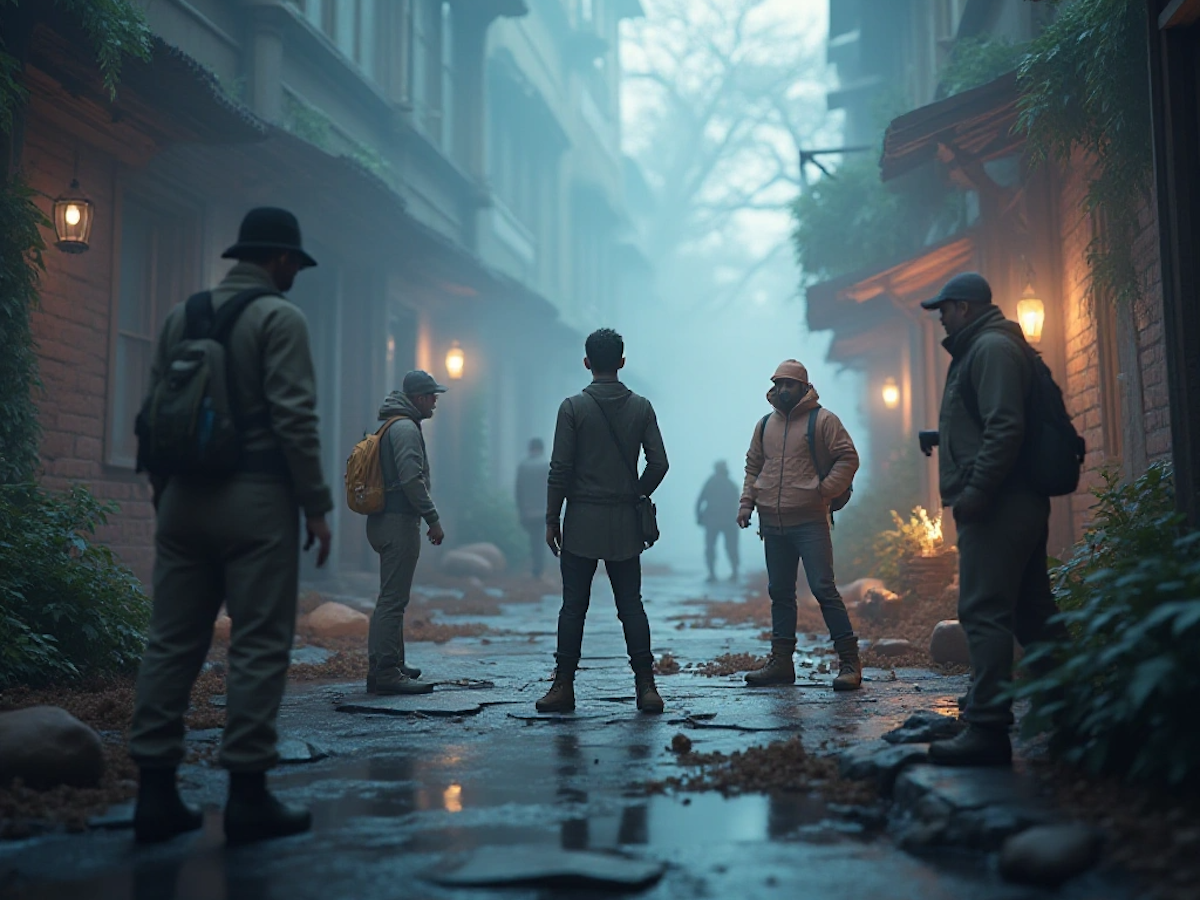
Modern game engines can simulate entire cities, stadiums and virtual environments with cinematic realism.
Yet most of these worlds are still populated by artificial characters or scripted NPCs.
Real Digital Humans make it possible to introduce real human diversity into these environments.
For game studios, this creates new possibilities for casting players, crowds and digital extras at massive scale.
A verified identity layer
As immersive worlds grow larger and more persistent, identity becomes a critical infrastructure layer.
Unlike traditional avatar systems, Real Digital Humans are linked to real individuals and verified digital identities.
This enables new forms of participation, rights management and monetization.
For developers and platforms, this creates the foundation of a trusted human layer for gaming and metaverse environments.
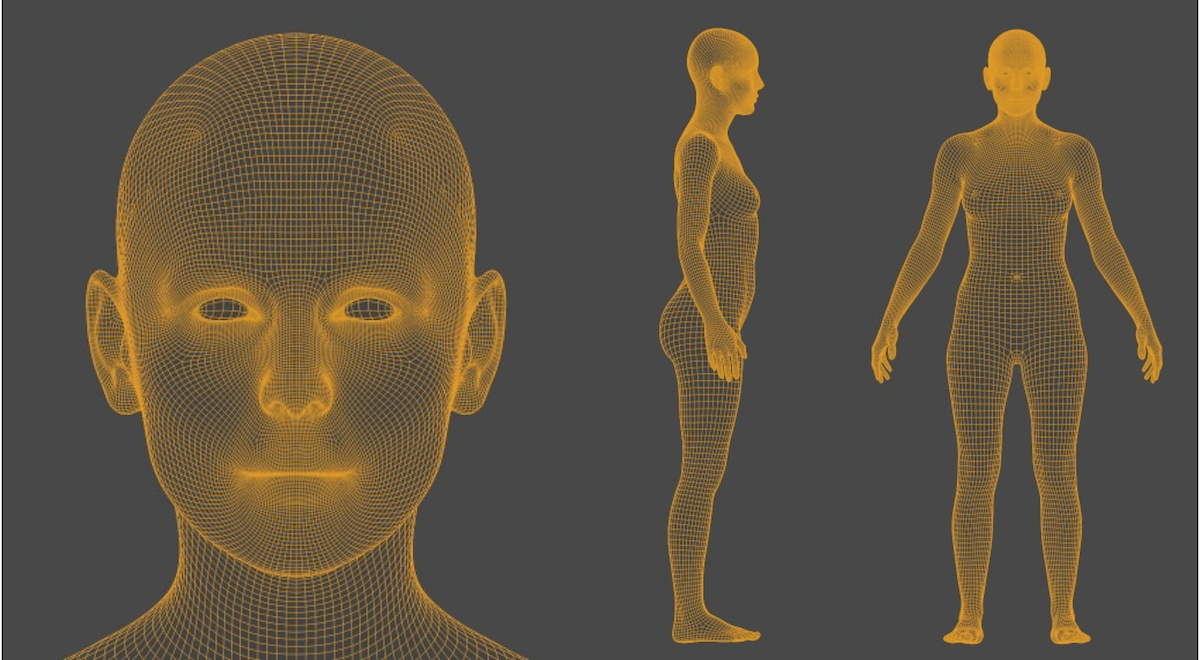
silkke provides developer access for free to its Digital Human infrastructure through APIs and open repositories.
Developers can integrate Real Digital Humans into games without downloading heavy character files: optimized assets are securely streamed from the silkke infrastructure.
For game studios, this dramatically simplifies the integration of photorealistic characters into real-time engines.
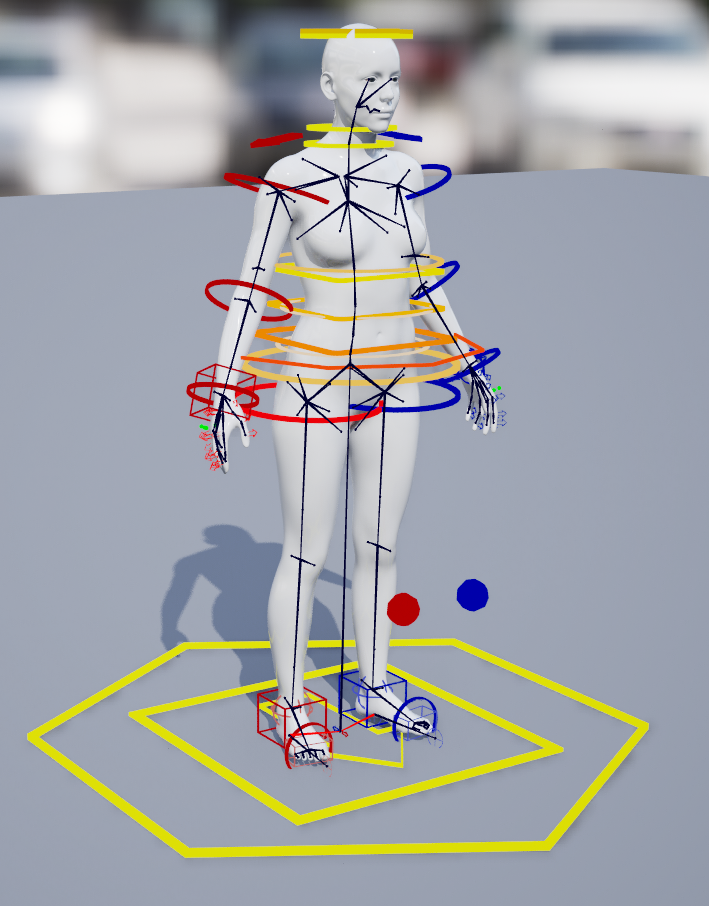
Introducing Real Digital Humans into gameplay and storytelling requires new design approaches.
silkke supports studios and publishers with technical consulting and creative guidance to integrate Digital Humans into game mechanics, characters and immersive environments.
For developers, this accelerates the adoption of Real Digital Humans in production pipelines.

Game studios can access a growing population of Real Digital Humans to populate immersive environments.
Crowds, spectators, citizens or background characters can be generated from real people who have created their Digital Human in capsule.
Participants can be compensated when their Digital Human is used in games or interactive productions.
For studios, this creates a scalable casting layer for immersive worlds.
Real Digital Humans can move across games, virtual worlds and immersive platforms through a unified identity infrastructure.
Players keep the same recognizable digital character across experiences.
For gaming platforms, this creates a persistent identity layer for the next generation of immersive worlds.
Real Digital Humans enable personalized cinematic scenes generated directly from the game universe.
Players can appear inside teaser videos or short films based on the game narrative and share them across social platforms.
For publishers, this transforms marketing into a viral acquisition engine where players promote the game themselves.